Timber Windows vs uPVC Windows: Which Is Right for Your Leeds Home?
20th October 2026 Comments
20th October 2026 Comments

Replacing your windows can make a surprisingly big difference to your home. New windows can improve the appearance of your property, help keep the heat in, increase security and make your home more comfortable throughout the year.
But if you’re considering double glazing in Leeds, there’s one decision you’ll need to make:
Should you choose timber windows or uPVC windows?
Both have their advantages, and the best choice depends on your property, budget and how much maintenance you’re happy to do.
In this guide, Select Products looks at the main differences between timber and uPVC windows to help you decide which option could be right for your Leeds home.
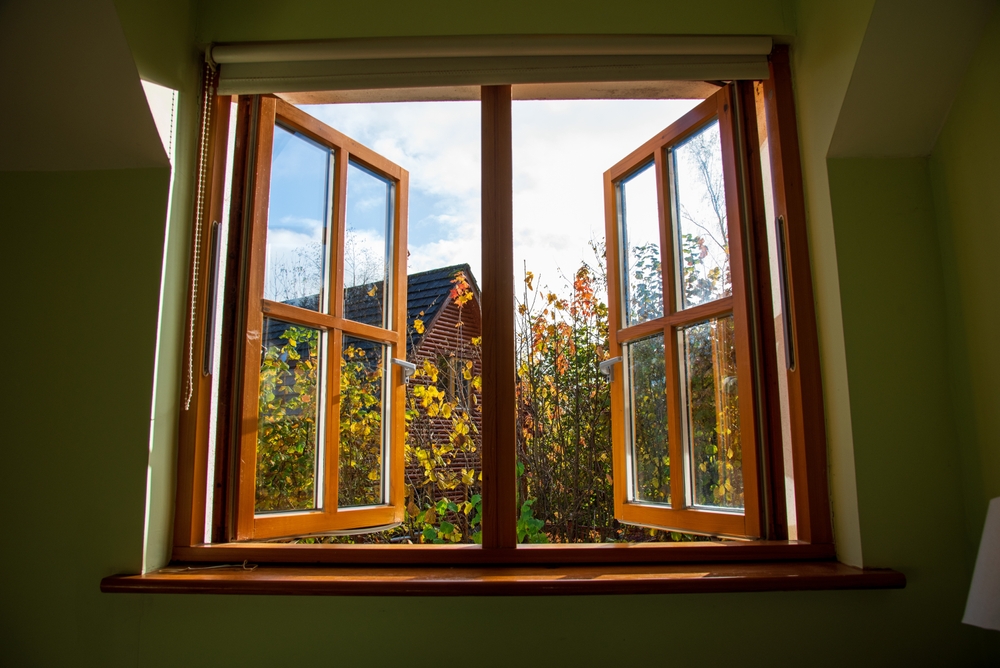
Timber windows are made from natural wood, using either sustainably sourced softwoods or durable hardwoods.
Their biggest appeal is their appearance. The natural grain and traditional character of timber can be a perfect match for older British homes, which is why wooden windows have remained popular for generations.
Modern timber windows are also very different from the old single-glazed wooden frames you may find in older properties. Today’s engineered timber frames are treated and factory-finished to help protect them from moisture, warping and rot.
When combined with modern double glazing, timber windows can offer excellent insulation without losing the character of a traditional property.
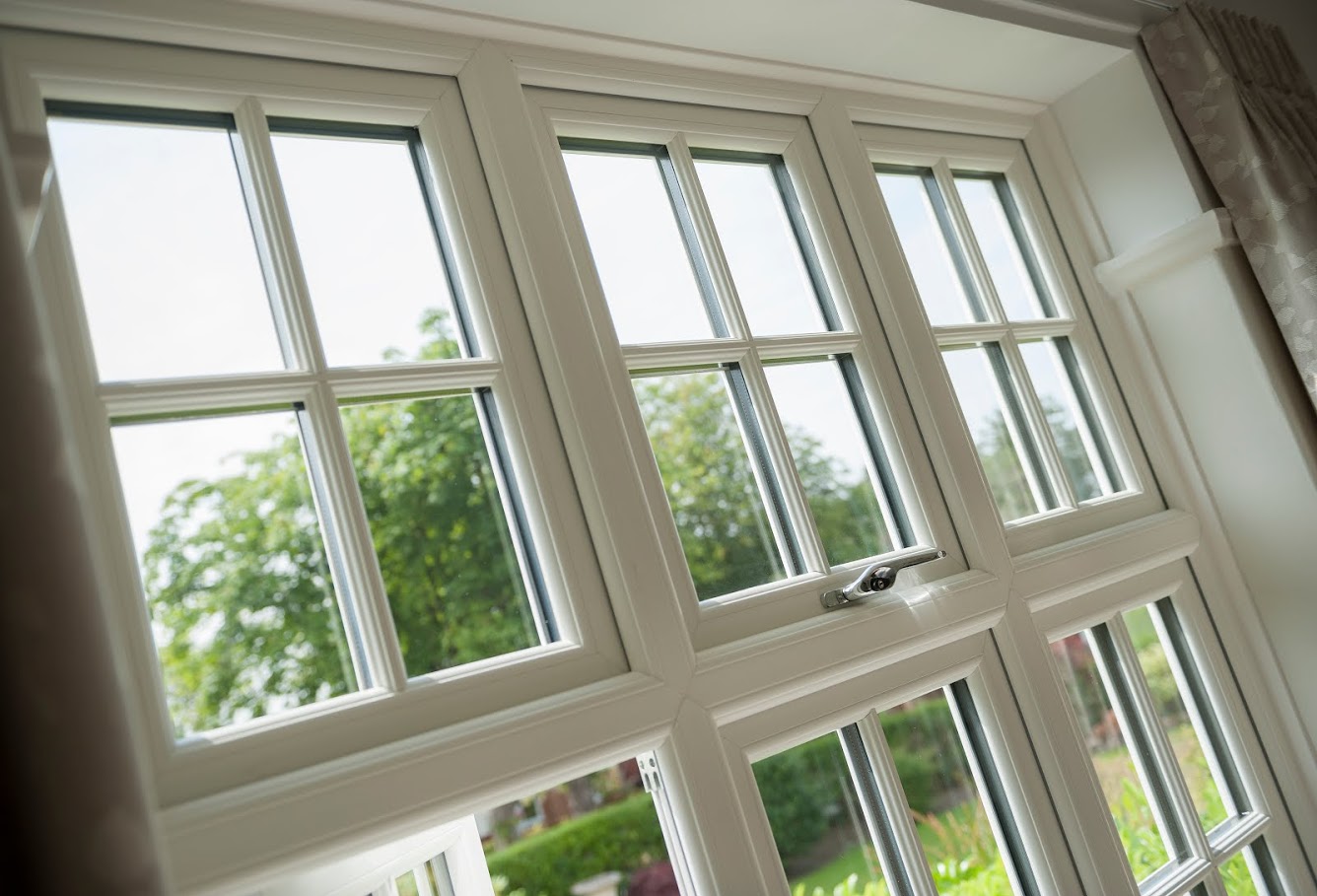
uPVC stands for unplasticised Polyvinyl Chloride. It’s a strong and durable material that’s widely used for windows and doors.
One of the main reasons homeowners choose uPVC is because it’s easy to look after. Modern uPVC windows use multi-chambered profiles to help reduce heat loss and are available in a wide range of styles.
You can choose from options such as casement, tilt and turn and vertical sliding sash windows. Woodgrain finishes are also available if you’d like a more traditional appearance without the maintenance that comes with real timber.
Here’s a quick look at how the two compare:
| Feature | Timber Windows | uPVC Windows |
| Appearance | Natural, traditional and customisable with paint or stains. | Clean, modern and available in woodgrain finishes. |
| Maintenance | Needs repainting or re-staining periodically. | Very low maintenance; usually just needs cleaning. |
| Lifespan | Around 30–60+ years with proper care. | Around 20–35 years. |
| Initial Cost | Usually more expensive upfront. | Generally more affordable. |
| Environmental Impact | Renewable and biodegradable. | Long-lasting, recyclable and energy efficient. |
Leeds has a wide variety of properties, so there’s no single window style that works for everyone. The age and character of your home should be part of your decision.
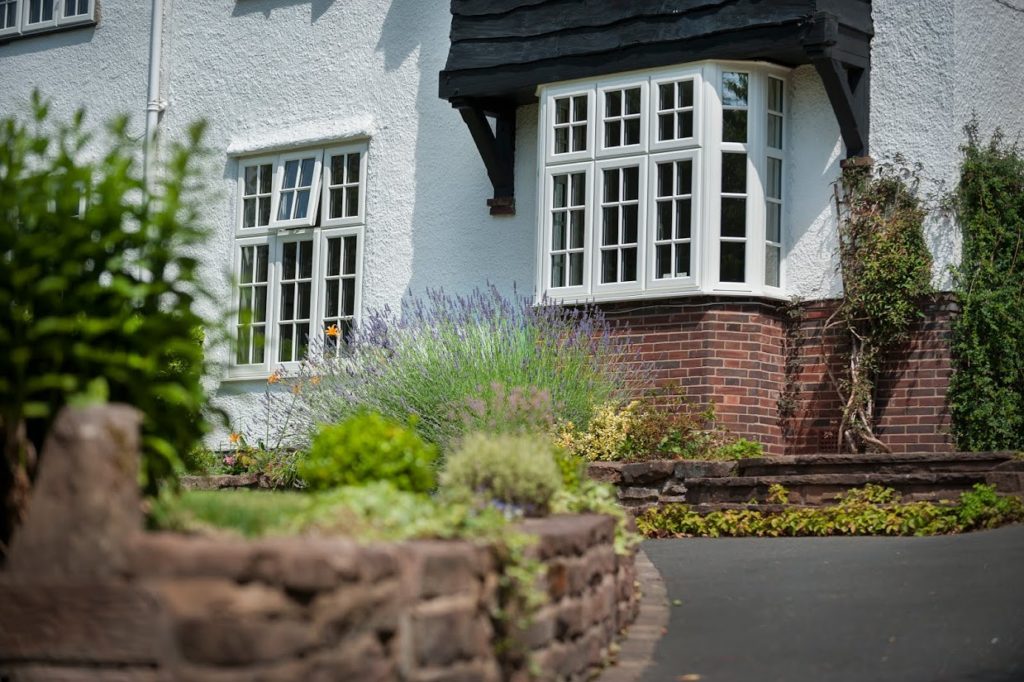
In areas such as Headingley and Chapel Allerton, you’ll find plenty of older terraces with traditional wooden sash and casement windows.
Timber windows can be a great choice if maintaining the original character of the property is important to you.
However, modern uPVC sliding sash windows can also recreate traditional features, including deep bottom rails and run-through horns, while being much easier to maintain.

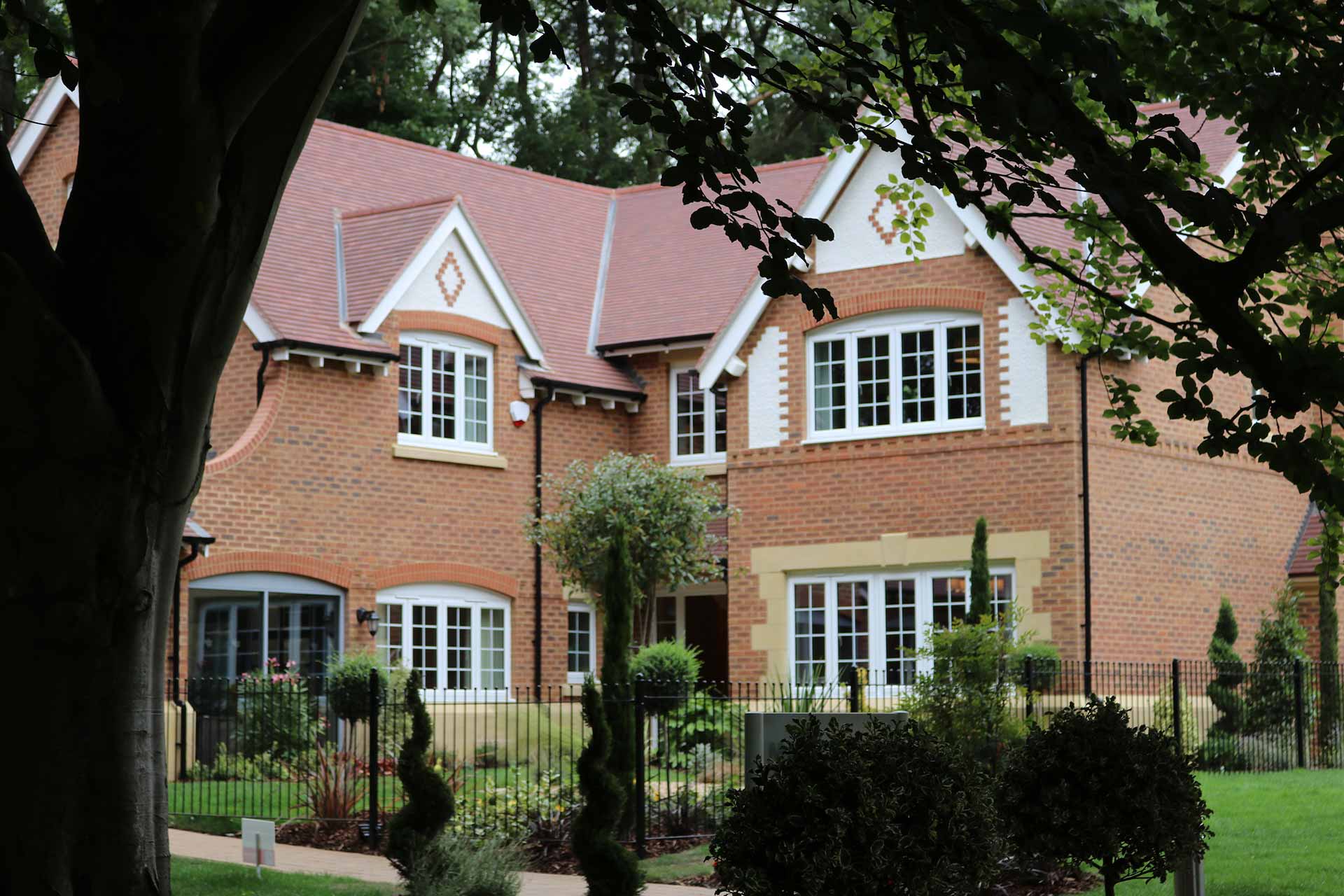
For properties around Horsforth, Otley and Ilkley, timber frames can complement traditional stonework particularly well.
If you’d prefer a lower-maintenance option, flush casement uPVC windows can also work well. Heritage colours such as Agate Grey and Chartwell Green can help them blend naturally with older properties.
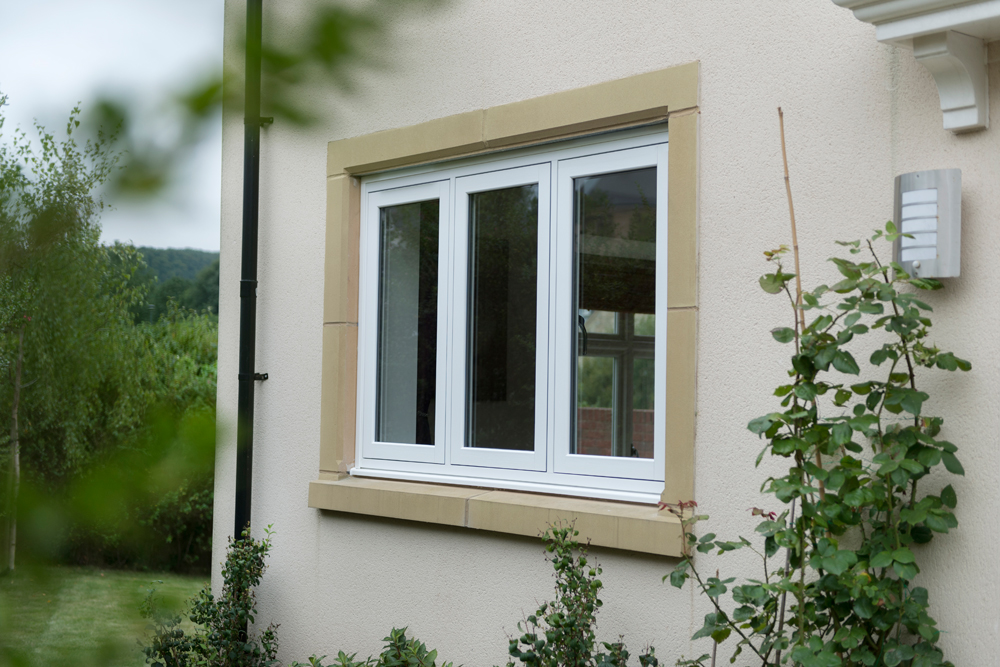
For 1930s semis, mid-century homes and newer developments, uPVC casement or tilt-and-turn windows are a popular option.
They’re practical, secure and energy efficient, while also offering plenty of choice when it comes to colours and styles.
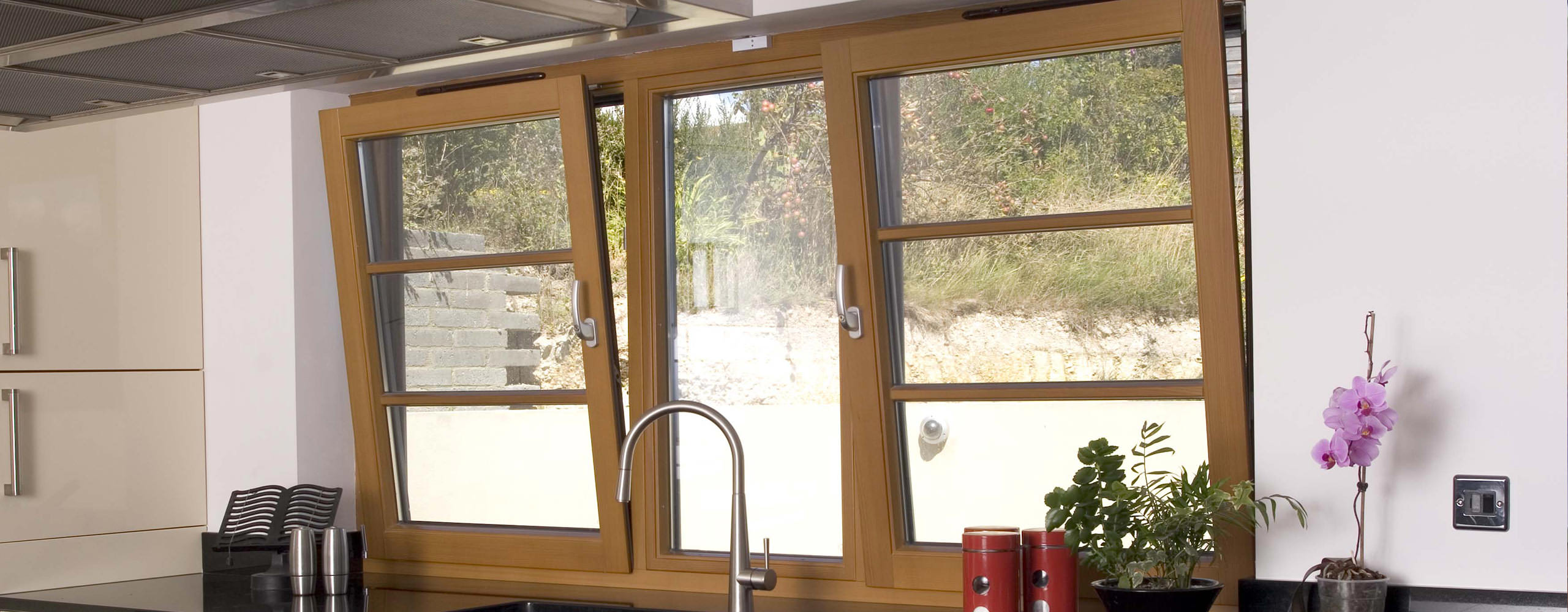
Cost is understandably an important consideration when replacing your windows.
uPVC windows are generally the more affordable option upfront. Their efficient manufacturing process helps keep costs down, making them particularly attractive if you’re replacing several windows or upgrading the whole house.
Timber windows usually cost more because of the material and skilled craftsmanship involved. However, well-maintained timber windows can last for 50 years or more, so the higher initial cost may make sense over the long term.
At Select Products, we believe in straightforward pricing and offer flexible finance options to help make quality double glazing more accessible to Leeds homeowners.
The good news is that both timber and uPVC windows can provide excellent thermal performance when fitted with modern double glazing.
Timber is naturally a good thermal insulator and can help reduce cold spots around the glass.
uPVC windows use multi-chambered frames to trap air and reduce heat transfer. When combined with low-E argon-filled glass, such as Planitherm glazing, they can achieve strong energy performance ratings.
So, the frame material isn’t the only thing that matters. The glass, window construction and quality of installation all play an important role.
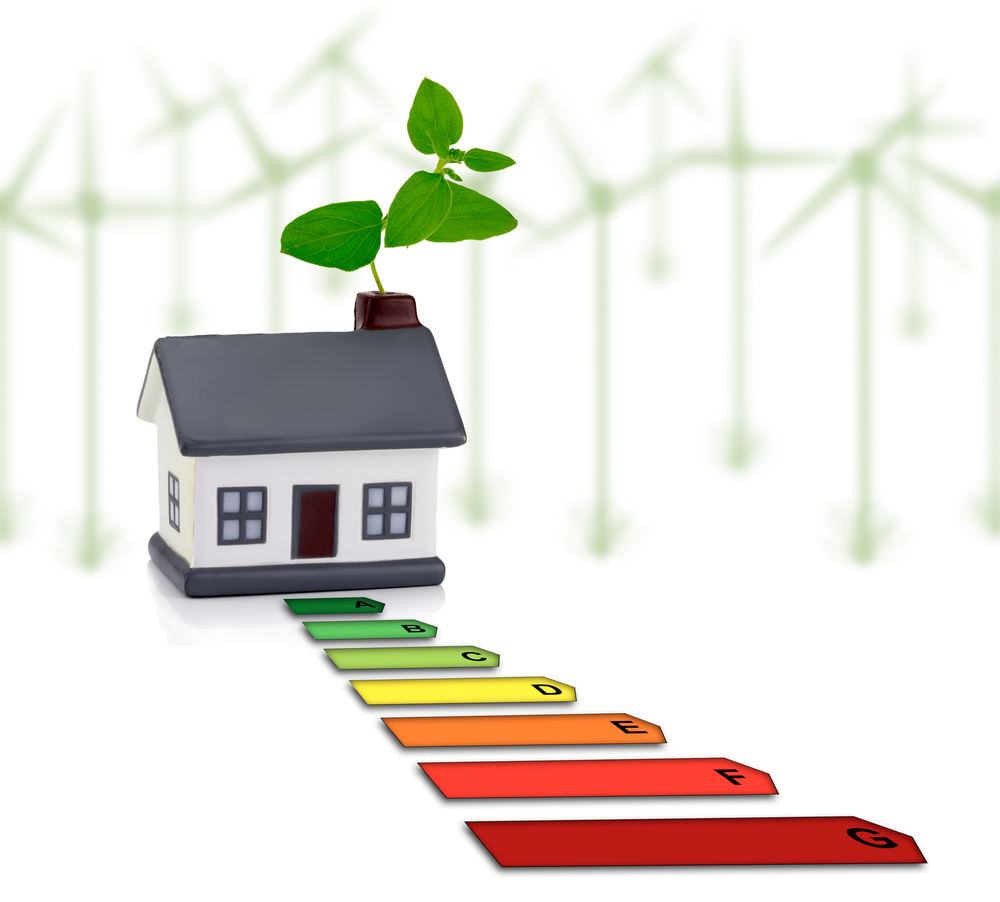
Choosing an A-rated installation can help improve your home’s energy efficiency and meet current standards.
This is where the two materials differ most noticeably.
uPVC is a good option if you want windows that don’t require much attention. They won’t rot, warp or rust, and cleaning them is generally as simple as wiping them with warm water and a soft cloth.
It’s also worth lubricating the locks and moving parts occasionally to keep everything working smoothly.
Timber needs more regular care. Modern factory-applied coatings can protect the frames for several years, but eventually they will need to be sanded and re-coated or repainted.
The upside is that timber can be repainted whenever you want to change the colour of your home’s exterior.
If your Leeds property is listed or located within a Conservation Area, there may be planning requirements affecting your choice of windows.
In some cases, local authorities require original materials and features to be retained, making timber windows the most suitable option.
Other properties may have more flexibility, and high-quality uPVC flush casement or heritage sash windows may be acceptable if they accurately match the original proportions and appearance.
It’s worth checking the requirements for your particular property before ordering replacement windows.
Select Products can also advise on heritage considerations and help you find an option that’s appropriate for your home.
There’s no universal winner. It really comes down to your home and what matters most to you.
Choose timber windows if:
Choose uPVC windows if:
Both can be excellent choices when they’re well made and professionally installed.
Whether you prefer the traditional character of timber or the practicality of uPVC, choosing an experienced local installer is just as important as choosing the right window material.
Select Products has more than 23 years of experience serving Leeds, Harrogate, Horsforth, Wetherby and surrounding areas of West Yorkshire.
We’re a family-run business accredited by FENSA, Which? Trusted Traders and the Federation of Master Builders.
If you’re still unsure which windows would suit your property, our team can help you compare your options.
The right windows aren’t just about how your home looks. They should suit your property, your budget and the way you want to live in it.

Yes. Modern uPVC windows can be made with realistic woodgrain finishes that replicate the appearance of natural timber.
They won’t be exactly the same as real wood, but they can provide a traditional look without the same level of upkeep.
Modern engineered timber windows are designed to be far more resistant to moisture and rot than older wooden frames.
They are treated and finished to protect them from the elements, although regular maintenance is still important for long-term performance.
Yes. Both materials can provide excellent security when combined with quality locking systems, strong hinges and suitable safety glass.
At Select Products, our timber and uPVC windows are fitted with multi-point locking systems and toughened safety glass to help protect your home.